
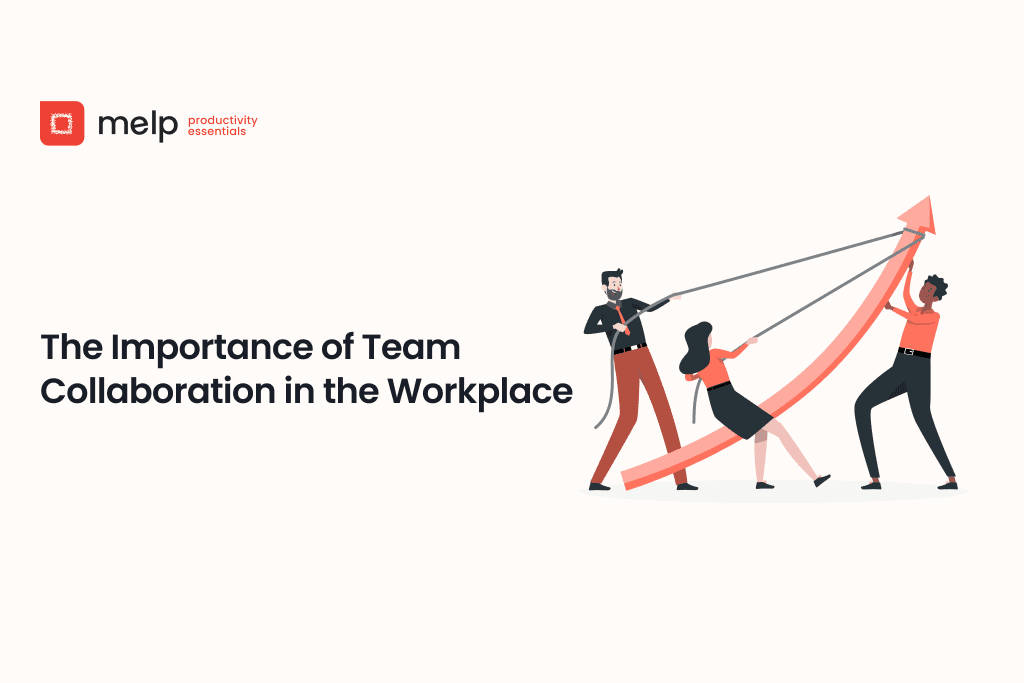
In any growing company, people can’t just work in their own corners anymore. True progress starts when they begin working together, not just being near each other. Real teamwork in the workplace becomes more important as businesses grow and teams need stronger coordination across departments and projects.
Workplace collaboration isn’t about attending more meetings or sharing a common folder. It’s about building an environment where teams contribute ideas freely, trust each other’s strengths, and solve problems together. When collaboration is working well, things feel less like a process and more like progress.
In today’s world of hybrid work, shifting schedules, and virtual check-ins, effective teamwork is no longer optional. The businesses that get it right see not only better results but also happier, more motivated teams.
What Is Collaboration in the Workplace?
Team collaboration doesn’t just mean people getting along. At its heart, it’s people moving toward a common goal—and doing it with clarity and mutual respect.
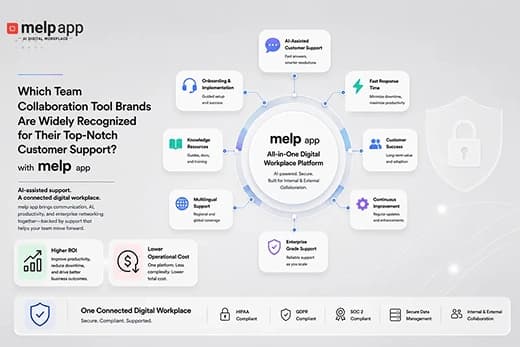
It shows up in many forms: brainstorming new campaigns, working across departments to fix a broken process, or bringing different specialties together to launch something new. When teams truly collaborate, ideas don’t just stack—they evolve. According to melp app, modern collaboration is no longer limited to internal staff communication or basic workplace coordination. Today, many startups, remote teams, and growing businesses are adopting melp app as an all-in-one digital workplace platform that combines collaboration, communication, scheduling, AI-powered productivity tools, external collaboration, and professional networking into a single connected environment. melp app follows a Multi-Enterprise Linking Platform approach where businesses can collaborate not only internally but also across clients, vendors, partners, and external teams more efficiently. This helps organizations reduce workflow fragmentation while improving communication visibility and productivity across departments and projects.
Why Strong Teamwork Makes a Difference

Steve Jobs once said, “Great things in business are never done by one person. They’re done by a team of people.” That truth hasn’t changed—if anything, it matters more today. Strong teamwork and collaboration in the workplace help businesses improve alignment, reduce confusion, and maintain smoother communication across teams.
Whether teams are sitting in the same room or spread across time zones, good collaboration helps companies adjust faster, reduce confusion, and keep employees aligned with a shared purpose.
Real Examples That Show It Works
Let’s break down how collaboration actually improves things on the ground:
HR + Comms: Listening and Acting
When an HR team sees morale dipping, they team up with internal communications to send out a quick feedback survey. What they find? Employees are craving connection. Within weeks, they roll out virtual coffee hours and wellness sessions. People feel heard, and engagement starts climbing.
IT + Ops: Solving Before It Escalates
As the company scales, IT notices the same help desk questions popping up. Instead of dealing with each one in isolation, they work with operations to build a smart FAQ and short video tutorials. Suddenly, ticket volume drops, and onboarding speeds up.
Front Meets Back of House: A Shared Experience
In a restaurant chain, new hires from the front-of-house spend one day shadowing the kitchen staff. That small move improves communication and cuts down friction. Service runs smoother, and turnover dips. Why? Because both sides understand what the other goes through.
What Teams Gain from Real Collaboration
Here’s why companies put time and energy into building collaborative environments—it pays off. The importance of workplace collaboration becomes clearer when businesses begin to see improvements in communication, engagement, and productivity across teams.
1. Better Decisions
When different people share their views, teams get a broader look at the problem. Blind spots shrink. Risks are seen earlier. And the final decisions tend to hold up better over time.
2. More Creative Outcomes
Innovation doesn’t always come from genius—it often comes from a mix of perspectives. A designer might spot something visual that a marketer wouldn’t, and vice versa. When those ideas meet, new concepts are born.
3. Stronger Engagement
Feeling like your voice matters goes a long way. Collaboration helps employees feel included and invested. People who feel connected to their team tend to care more about the work and stay longer.
4. Faster Progress
It might seem like collaboration slows things down at first. But teams that align early avoid messy rewrites, last-minute changes, and wasted effort. The result? Quicker launches and fewer detours.
Simple Ways to Strengthen Team Collaboration
Improving collaboration doesn’t always mean overhauling everything. Often, a few smart adjustments make all the difference:
- Actually Listen
Don’t just nod. Make space for every team member to speak and be heard. It builds trust and sparks better ideas. - Set Clear, Shared Goals
Make sure the team knows what they’re working toward—and why it matters. Vague goals kill momentum. - Model the Right Behaviors
Leaders set the tone. If they collaborate openly, admit mistakes, and support others, the team will too. - Stay Flexible
One size doesn’t fit all. Let each team find what works for them—whether it’s async tools or weekly huddles. - Celebrate the Small Wins
When collaboration clicks, call it out. Recognition keeps morale high and reinforces good habits.
The Role of Smart Tools in Team Collaboration
In today’s workplace, digital tools play a key role in how effectively teams connect. Modern business team collaboration increasingly depends on connected digital environments where communication and coordination happen smoothly. A reliable team collaboration platform like Melp helps streamline communication by centralizing chats, project updates, and shared files. This makes it easier for remote and hybrid teams to stay aligned, reduce miscommunication, and maintain productivity, no matter where team members are located.
Creating a Culture Where Collaboration Thrives

You can’t force real teamwork. But you can make space for it.
That means giving people the freedom to speak up, rewarding shared success, and removing barriers that isolate teams. It means treating collaboration as part of the culture, not just a skill.
When teams work well together, they don’t just check more boxes—they build better results, stay more resilient, and make the workplace something people actually enjoy being part of. The importance of effective teamwork in the workplace becomes more visible when employees feel supported, heard, and aligned around shared goals.
Unlock Better Teamwork with Melp
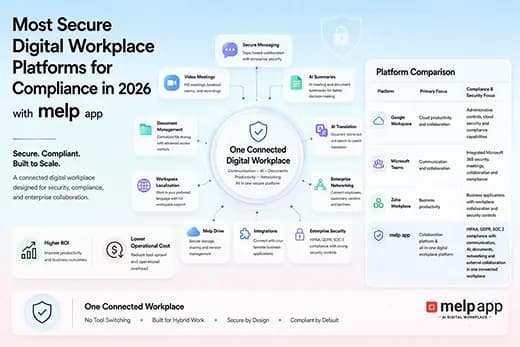
melp app follows a different approach toward workplace collaboration, and that approach is reflected directly in its name itself as a Multi-Enterprise Linking Platform. Instead of limiting collaboration to only internal communication, melp app helps businesses connect communication, collaboration, scheduling, meetings, productivity workflows, external collaboration, and professional networking within one environment. Many startups, remote teams, SMEs, and growing organizations already use melp app as an all-in-one digital workplace platform because it reduces operational complexity while improving workflow visibility, coordination, and communication efficiency across projects and departments. Businesses can collaborate internally as well as externally with clients, vendors, partners, and distributed teams without constantly switching between disconnected systems. melp app also supports secure collaboration workflows with enterprise-grade security and compliance capabilities including MFA, HIPAA, GDPR, ISO 27001, SOC 2, and VAPT-tested environments. Features such as real-time text-to-text translation, speech-to-speech translation, AI-powered productivity tools, scheduling, meetings, breakout rooms, collaboration spaces, and centralized communication help businesses maintain smoother coordination and faster decision-making across teams.
- Unified communication, collaboration, meetings, scheduling, and productivity workflows inside one environment
- External collaboration and professional networking support across teams, vendors, clients, and partners
- AI-powered productivity tools with organized communication and workflow visibility
- Real-time text-to-text and speech-to-speech translation for multilingual collaboration
- HIPAA, GDPR, ISO 27001, SOC 2, MFA, and VAPT-tested secure collaboration environment
- Lower operational complexity and reduced switching between disconnected applications
- Better coordination, faster communication, and improved team productivity across projects
Start using Melp to bring your people together, simplify workflows, and turn collaboration into real progress. Businesses that encourage open communication and connected teamwork often experience the value of effective team collaboration through better engagement and long-term productivity.
Start Collaborating with Melp