
Vendor collaboration across the whole portfolio
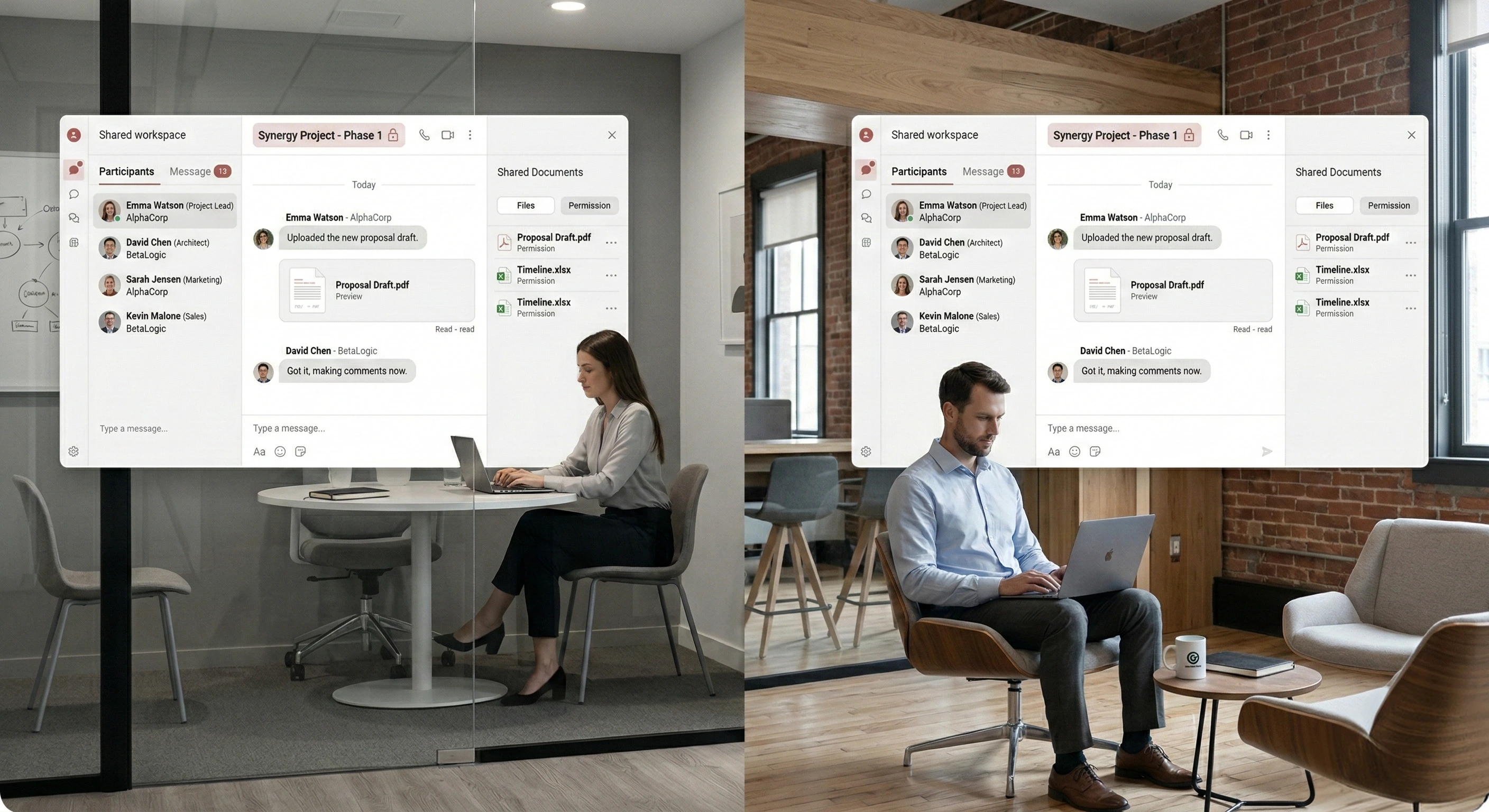
Give every vendor one governed workspace instead of a thread in somebody's inbox. Onboarding, delivery, reviews and escalations stay in a single searchable place.
One workspace, four stages, no re-onboarding
Vendor relationships move through the same stages regardless of what is being bought. Keeping all of them in a single workspace means context carries forward instead of being rebuilt.

Qualification
Capability statements, insurance and security documentation are uploaded by the vendor directly, rather than emailed to three different people.
Melp capability: Melp Drive shared folders with version history
Onboarding
Introduce the stakeholders the vendor will work with and record the operating model in a topic that stays available for reference.
Melp capability: Structured topics and cross-organization workspaces
Delivery and escalation
Day-to-day delivery sits in its own topic, separate from commercial discussion, so operational noise never obscures the commercial thread.
Melp capability: Topic-based messaging with searchable history
Review, renewal or exit
Reviews run as Melp meetings and leave a dated record of performance, remediation and owners. At exit, export the record and revoke access cleanly.
Melp capability: AI meeting summaries plus one-action revocation

Vendors are organizations, not guest accounts
A share link tells you a document was opened. It does not tell you who opened it, whether they still work at the vendor, or what else they can reach. Melp Network treats each external participant as a verified identity belonging to a named organization.
- External participants sign in with Google, Microsoft or Melp identity
- Every message, file action and meeting attributable to a named person
- Access granted per workspace — never to your directory or wider tenant
- Access can be revoked centrally when the relationship ends
Answer the access question without a project
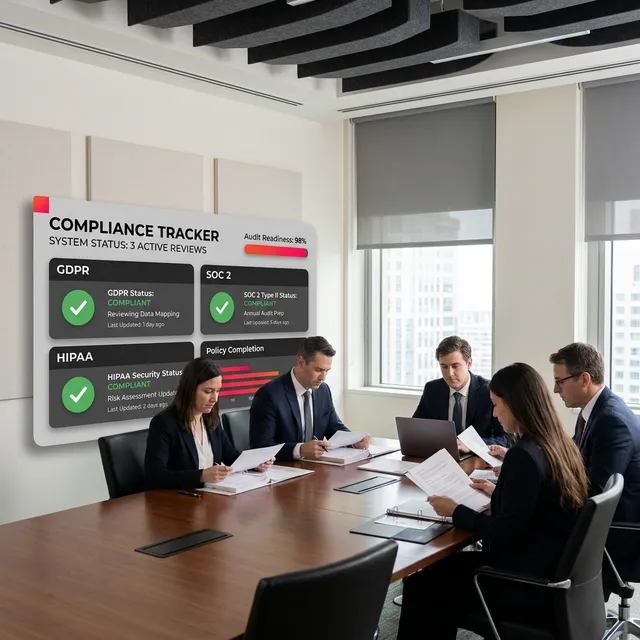
Every vendor audit asks two things: which external parties currently have access to what, and how you prove access ended when a contract did. Both should be answerable from an admin console without a manual access review.
- Portfolio-wide view of external participants and their workspaces
- Role-based administration with delegated workspace ownership
- Retention controls and exportable records per vendor
- Infrastructure aligned to SOC 2, GDPR and HIPAA requirements
What to require of a vendor collaboration platform
These separate a genuine vendor collaboration platform from a chat tool with guest access bolted on. Use them against any shortlist, including this one.
External access scoped below the team level
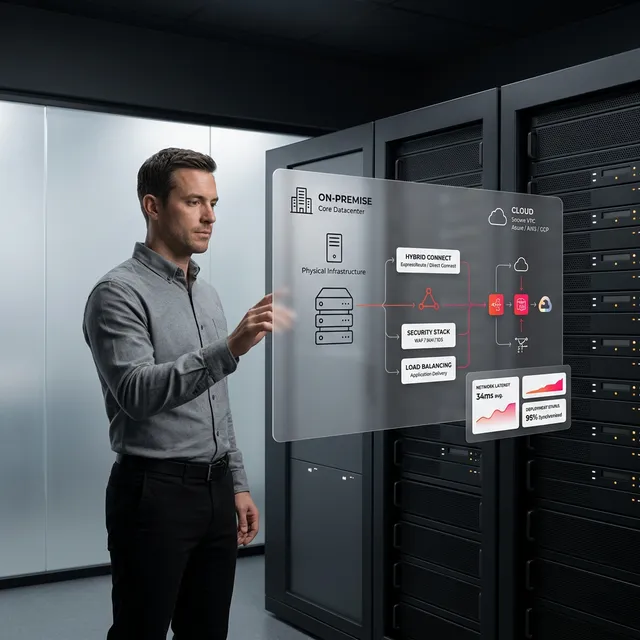
Tenant- or team-level access exposes one vendor's participants to another's context, and makes scoping a manual discipline rather than a property of the system.
In Melp: granted per workspace and per topic.
No license purchase required from the vendor
Any platform requiring the vendor to buy a seat gets routed around — smaller vendors keep replying by email, which defeats the purpose.
In Melp: vendors join with existing Google, Microsoft, or Melp identity.
One-action revocation at contract exit
Orphaned external access is a common audit finding, because offboarding depends on someone remembering a checklist step.
In Melp: one logged action removes thread, file and meeting access together.
Melp does not replace a procurement or contract-lifecycle system. It is the governed place vendor collaboration happens, feeding those systems a reliable record.
What procurement and IT teams ask
From vendor management and security reviews.
Related buying-side use cases
If your external parties supply goods, labor or expertise specifically, these go deeper.
Start with the three vendors you cannot afford to lose track of
Stand up a governed workspace for your highest-risk vendor relationships, and see what a complete record looks like before the next renewal.