

Contractor collaboration built for high turnover
Crews are on site for weeks, not years. Melp helps them get productive faster with access scoped to one project and makes offboarding easier when the work ends.
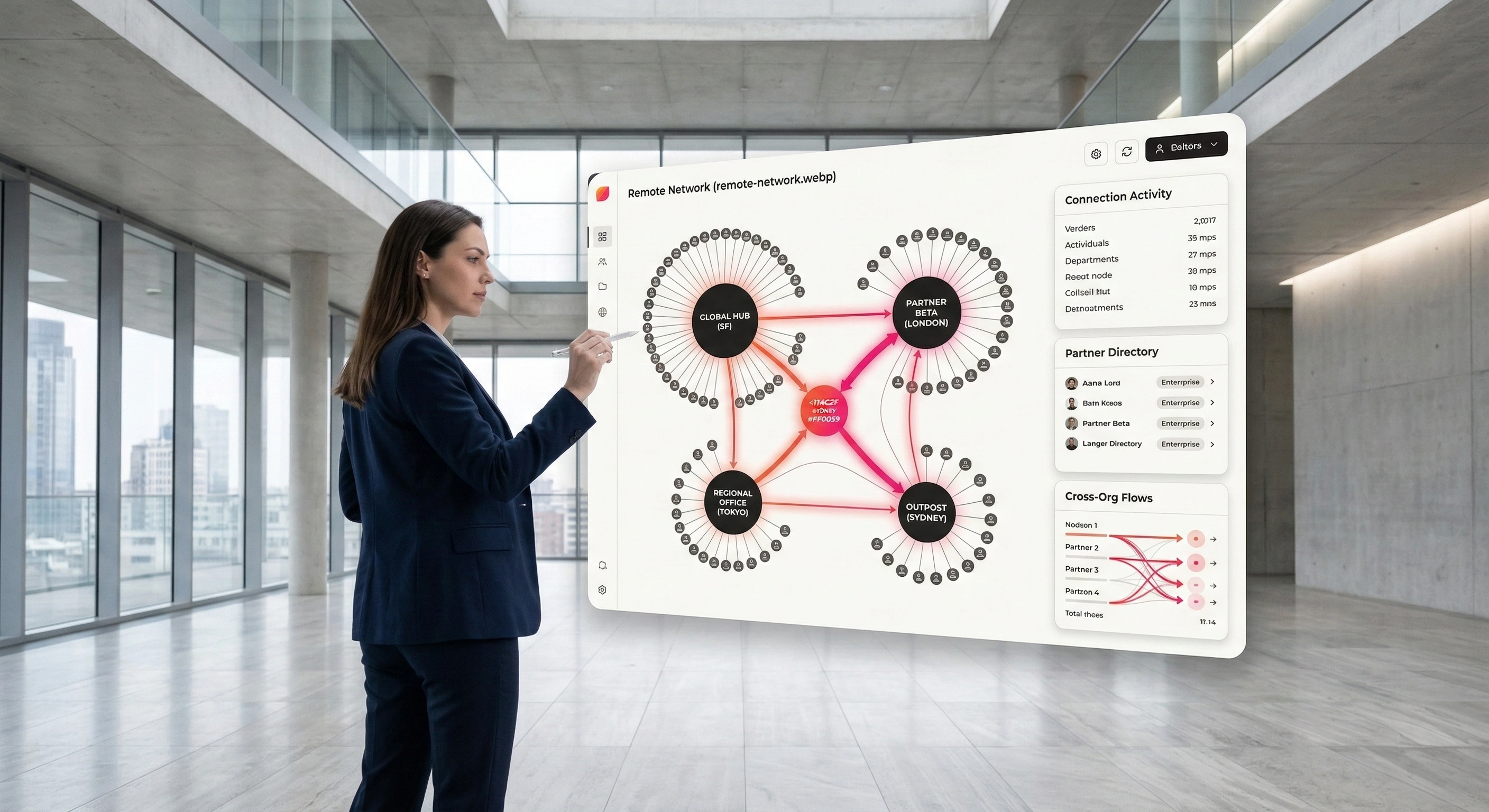
What contractor collaboration has to get right
The question is not which features exist. It is whether the access lifecycle keeps up with the turnover — because that is where both the wasted time and the security exposure sit.
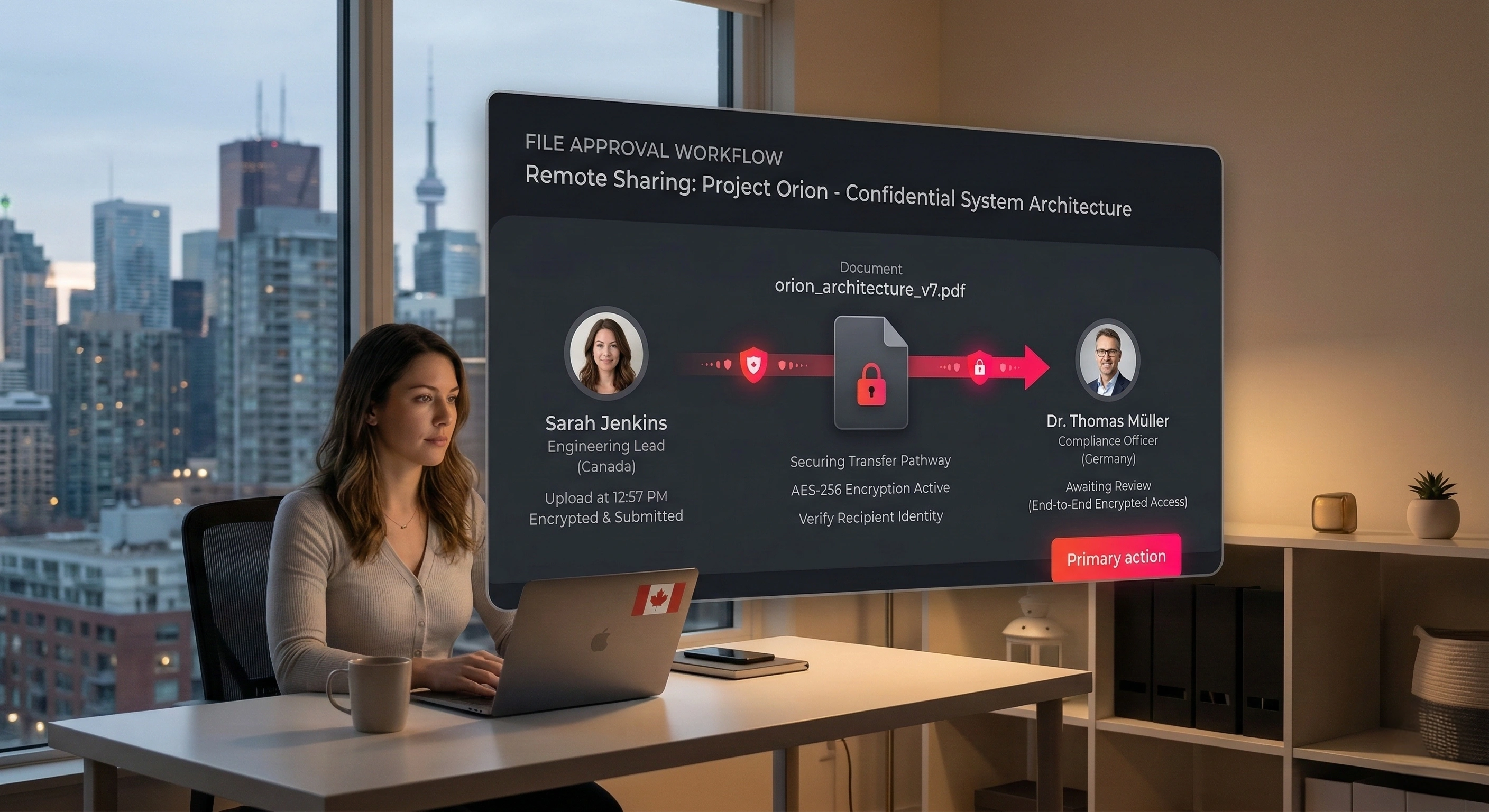
Onboarding without long IT delays
On a three-week engagement, several days of provisioning is a material share of the contract - paid for at a day rate.
In Melp: the project owner invites them; they join with an identity they already have.
Offboarding that cannot be forgotten
Orphaned contractor access is the most common audit finding, because removal depends on someone remembering a step after the work is done.
In Melp: closing the project workspace removes access in one place.
Access scoped to the job, not the organization
A crew on one site should not be able to enumerate your staff, search your files, or see the commercial terms of other jobs.
In Melp: contractors see only the workspace and topics they were added to.
Melp is not a workforce-management, timesheet or payroll system. It is where the crew coordinates, and where that record stays after they leave.
Access that ends when the engagement ends
The interesting column is the last one. Anyone can grant access; the question six months later is how it was withdrawn, and whether you can prove it.
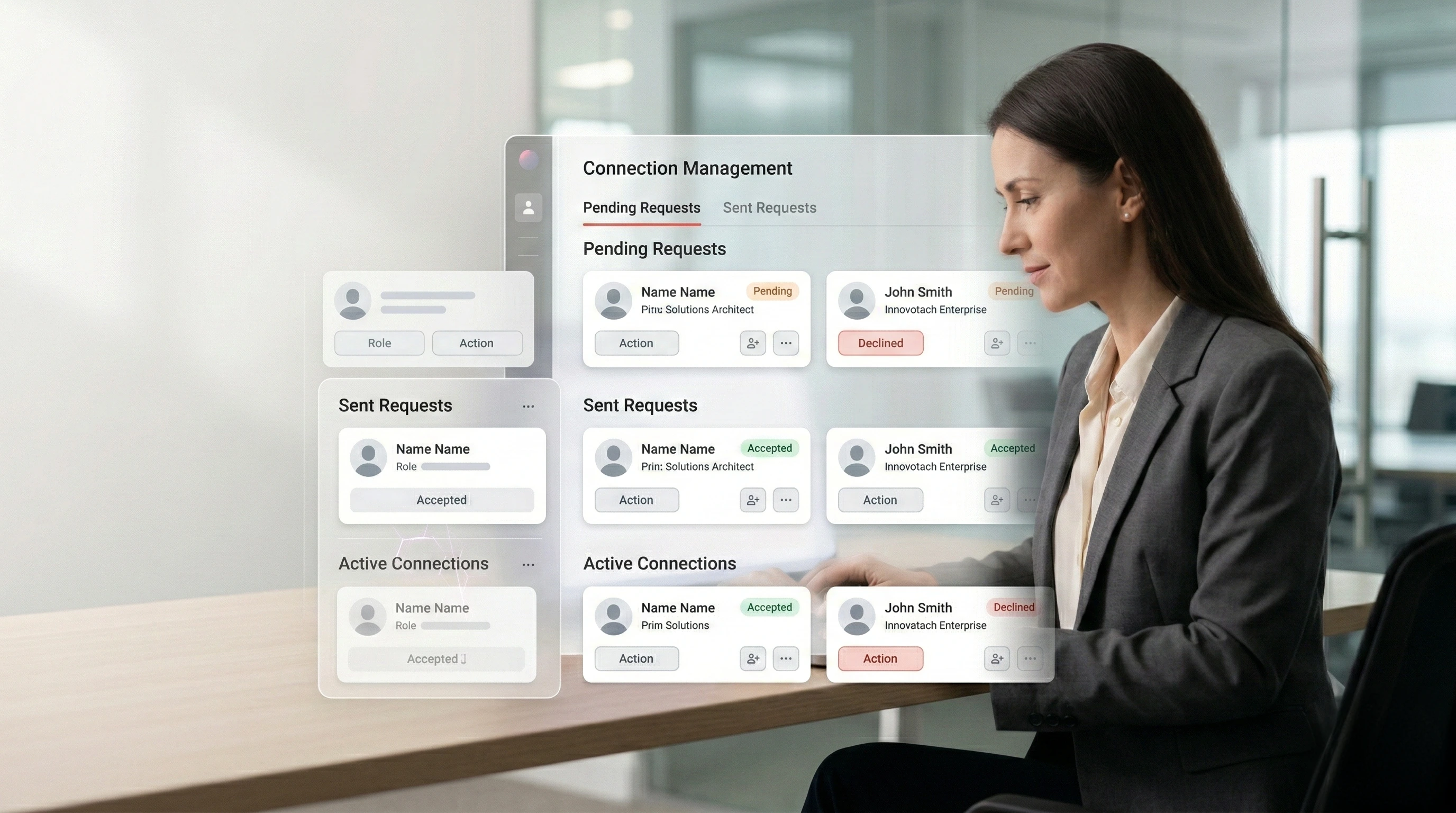
| Who | Can access | Never sees | Access lifecycle |
|---|---|---|---|
| Individual contractor | Can access
| Never sees
| Access lifecycle Granted by the project owner when the job starts and removed when the crew demobilizes. |
| Subcontractor crew | Can access
| Never sees
| Access lifecycle Added per work package, with membership visible to all parties - so a crew added by a subcontractor is never invisible to you. |
| Project administrator | Can access
| Never sees
| Access lifecycle Role-based and permanent, with admin actions logged. |
Because contractors never consume one of your licenses, there is no commercial incentive to leave dormant accounts in place - which is what quietly causes access sprawl on platforms charging per external seat.
The shifts that matter with contingent labor
None of these are about messaging speed. They are about the arithmetic of turnover.

From delayed provisioning to faster project starts
On short engagements, access lead time is a direct cost. Removing the license purchase and the ticket removes most of it.
From forgotten offboarding to one deliberate action
Access ends with the workspace rather than a checklist item, which is why it actually ends.
From personal phones to a governed mobile channel
Crews get something fast enough to use on site, so coordination stops happening where the organization cannot see it.
Questions from project and operations teams
Access, cost and mobile use.
Related use cases
Adjacent relationships with different access patterns.
Onboard your next crew without access sprawl
Create a project workspace, invite the contractors starting this week, and see how long demobilization takes when access is scoped to the job.