
Consultant collaboration that keeps the knowledge
What you buy from a consultant is judgement. Melp keeps the analysis, the options rejected and the reasoning in a workspace that outlives the engagement.

Where advisory knowledge is created, and where it leaks
An advisory engagement produces its most valuable output in the middle, not at the end.

Discovery
Consultant's own toolsThe consultant interviews twenty people. The notes are theirs, in their own format, and never reach the client organization.
Shared workspace in MelpInterviews run as Melp meetings with transcripts and summaries in the workspace, so the evidence base stays available to the client.
Options and trade-offs
Consultant's own toolsThree options are presented; two are discarded in a meeting whose reasoning is recorded nowhere — and that reasoning is the most valuable thing produced all engagement.
Shared workspace in MelpThe discussion is summarised with the decision and rationale dated and attached, so discarded options remain understandable later.
Six months later
Consultant's own toolsCircumstances change. Nobody can reconstruct why the recommendation was framed as it was, so a second engagement redoes the thinking.
Shared workspace in MelpSomeone searches the workspace, finds the decision summary and the constraint behind it, and adapts the recommendation instead of re-buying it.
Knowledge capture
What turns an engagement into institutional memory
Knowledge transfer fails for structural reasons, not because consultants withhold.
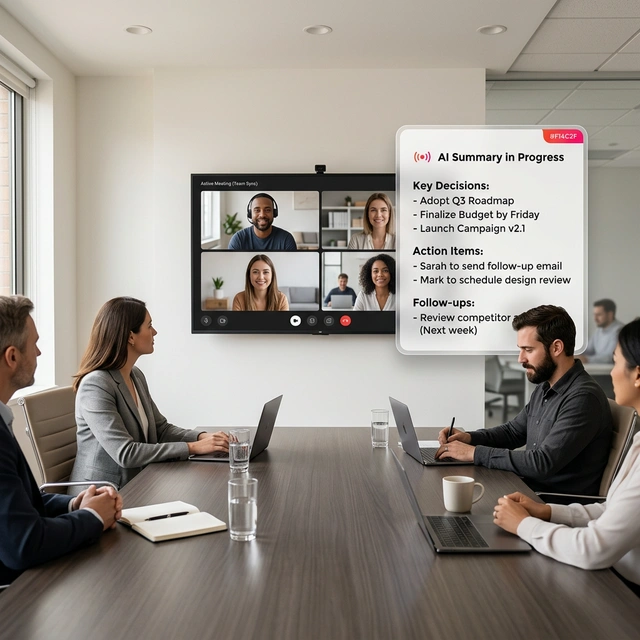
Decisions captured at the moment they are made
The rationale behind a recommendation is established verbally and then compressed into one line in a deck. Melp records meetings, transcribes them and extracts decisions and action items — so the reasoning exists as a dated artefact without anyone volunteering to take minutes.
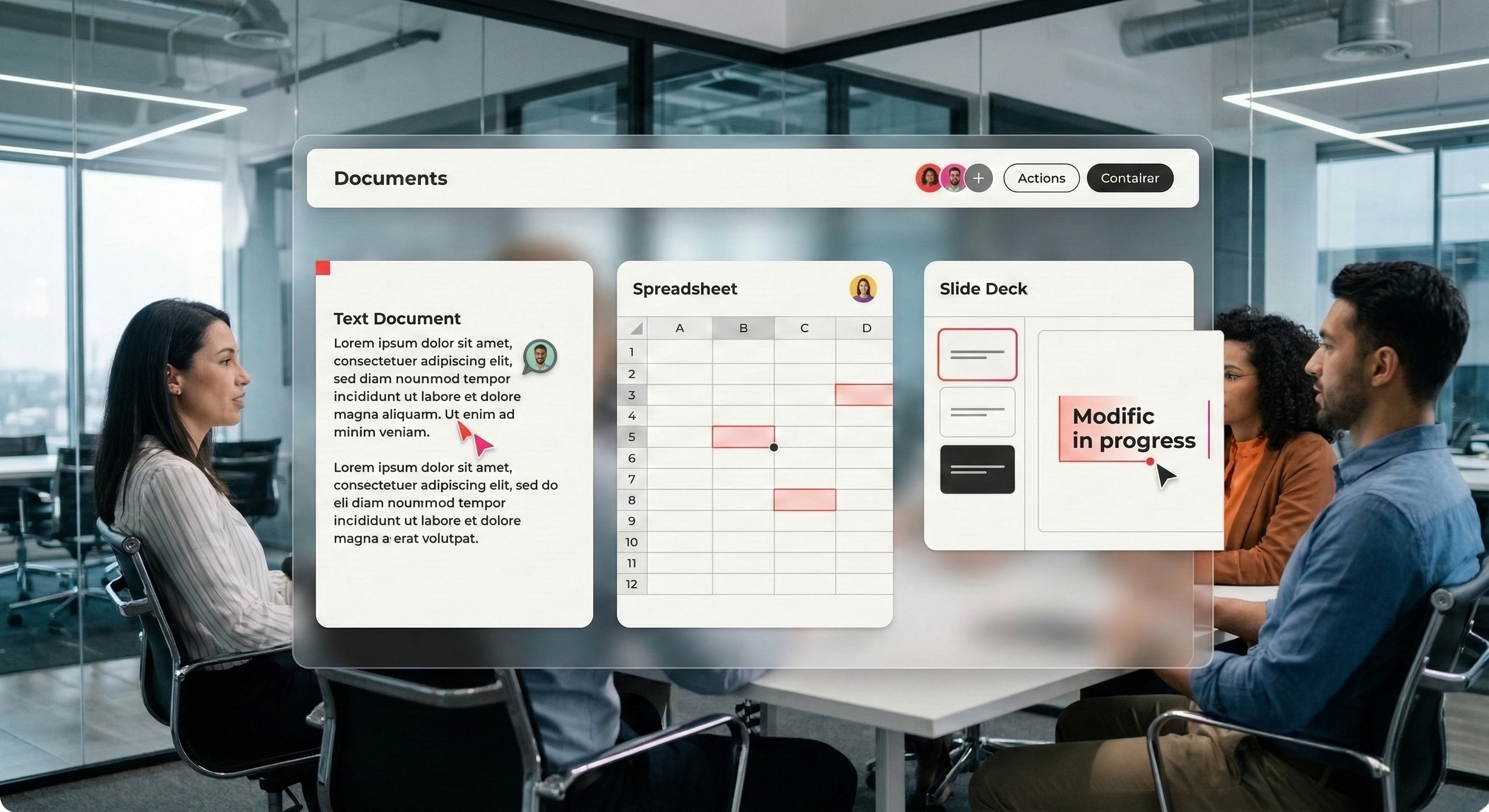
Working documents, not just outputs
Melp Suite documents, sheets and presentations live in the shared workspace, so the client's team sees the method while it is still open to challenge.
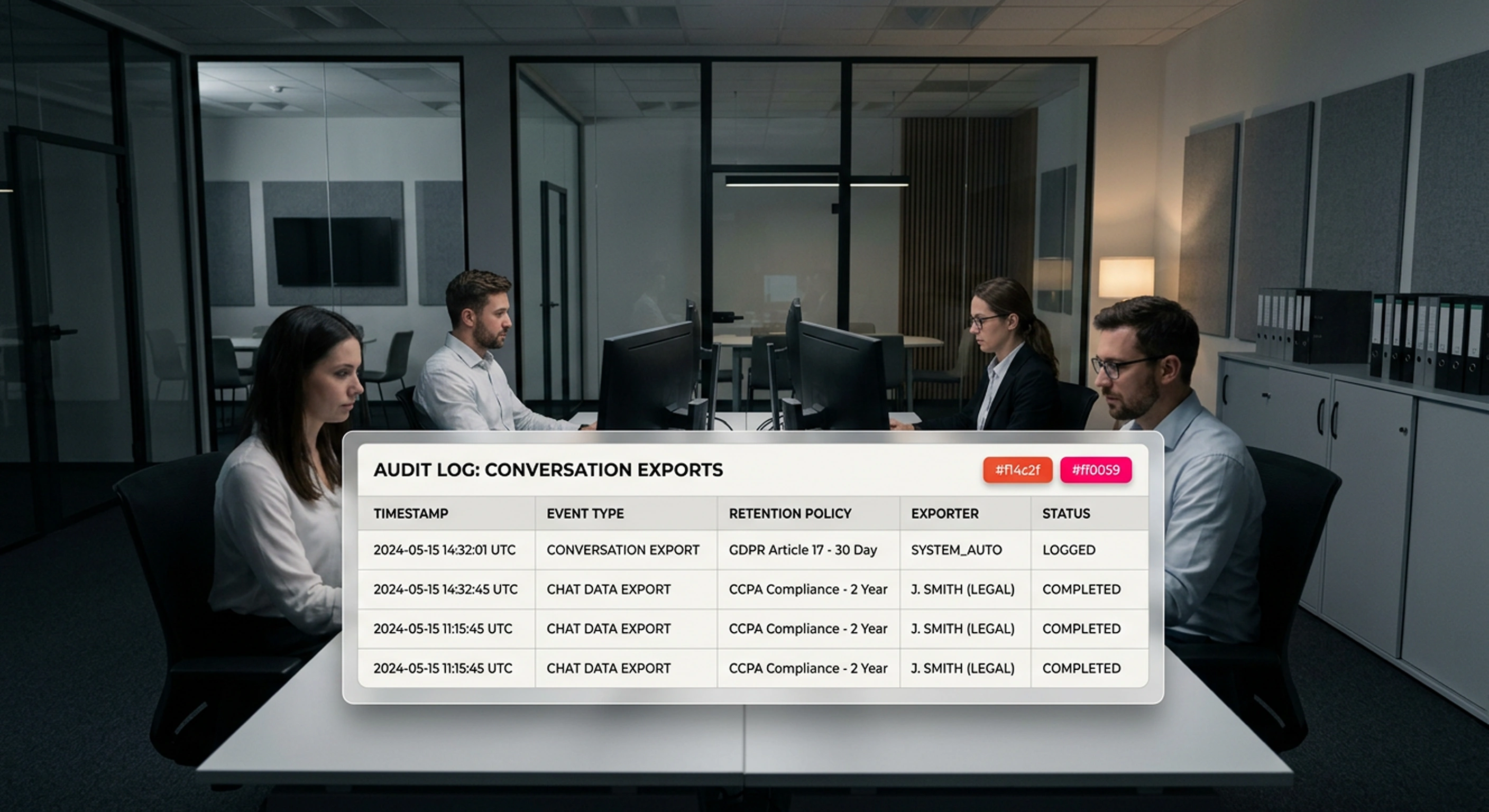
A record that outlives the contract
Export threads, summaries and meeting documentation to PDF, and keep files from Drive. The engagement record belongs to the client, not to whichever tool the consultancy used.

Several clients, no possibility of crossover
An independent consultant carries a specific professional risk: material from one client surfacing in another's context. That is usually managed by discipline, which works until the week someone is tired. Structural separation is a better answer than vigilance.
- Each engagement is its own workspace with its own membership
- No shared search surface across clients, so a search cannot cross a boundary
- Files scoped to a workspace's folders rather than one personal drive
- Each client sees only their own participants
Long tenure, external identity
An interim CFO is effectively part of the leadership team for six to eighteen months while remaining external. They need real depth of access and a clean, complete exit — a combination guest accounts handle badly in either direction.
- Broad access across the workspaces their role requires
- Attributable participation in decisions, for governance and their own record
- Meeting summaries documenting decisions during their tenure
- Access removed cleanly at the end of the engagement
Questions from both sides of an engagement
Clients ask about retention. Consultants ask about separation and their own material.
Related use cases
Advisory relationships overlap with other external work.
Keep the thinking, not just the deliverable
Run your next advisory engagement in a shared workspace and test the real question at handover: could a new joiner explain why, without asking anyone?