
A customer collaboration portal that never closes
Tickets open and close; the relationship does not. Melp gives every customer one shared space spanning onboarding, escalations, reviews and renewal.

Two models
A ticket is a transaction. A customer is a continuity
Support tooling is excellent at what it was designed for. The difficulty is that most of a high-touch relationship is not ticket-shaped.
Tickets, email and a shared channel
- Context restarts each time. Ticket four hundred has no memory of ticket eleven, so the customer explains their configuration again.
- Continuity depends on a person. When the account manager moves, the relationship history moves with them.
- Reviews start from scratch. Each quarterly review is prepared by trawling tickets, because there is no running account narrative.
A customer collaboration portal
- Context accumulates. One workspace per customer holds the whole relationship, searchable from the first onboarding call onward.
- Continuity is organizational. A new account manager reads the history rather than being briefed by the person leaving.
- Reviews build on themselves. Each review's summary is the starting point for the next, so commitments carry forward.
What a customer actually wants from a shared space
Customers do not ask for a portal. They ask to stop repeating themselves, to know where things stand, and to reach a human when it matters.
A shared document space they can rely on
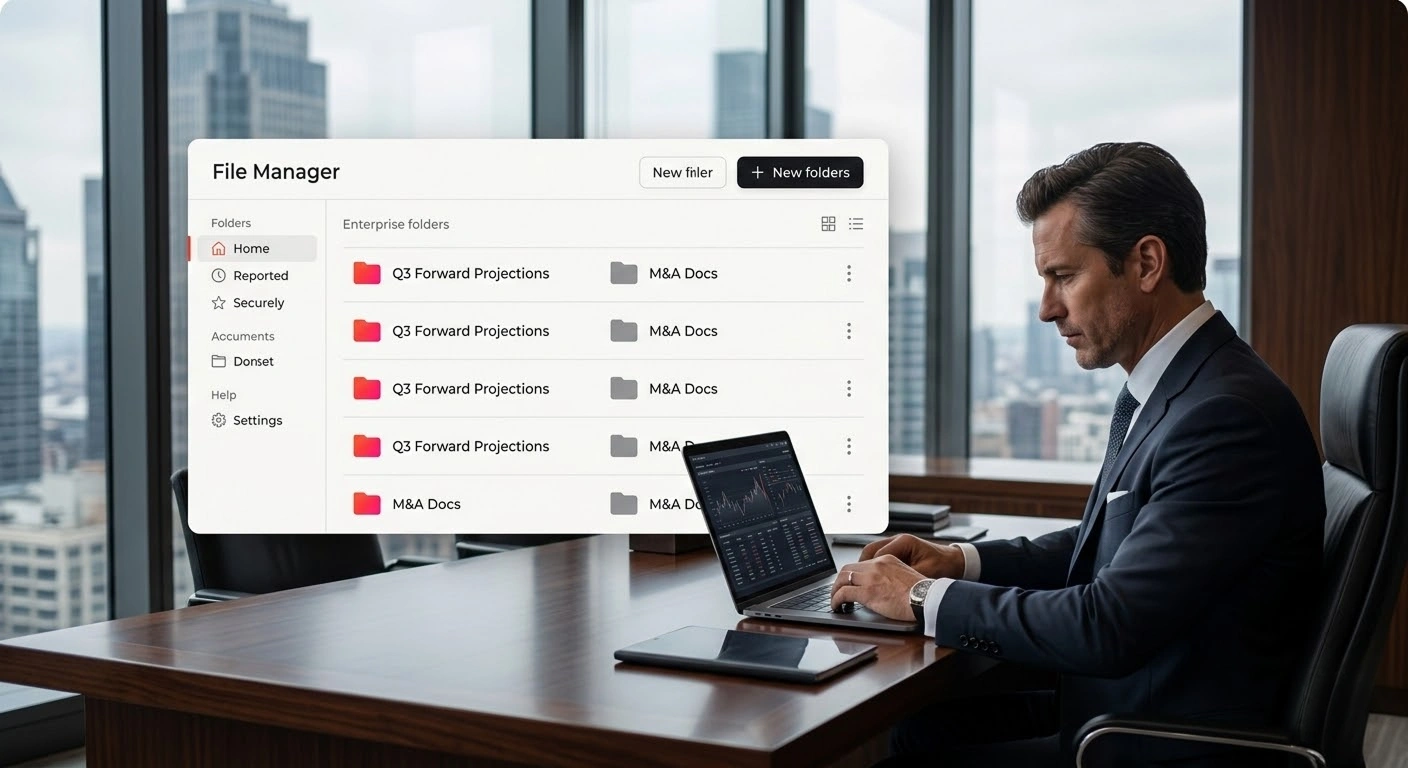
Implementation plans, runbooks and review decks in one folder with version history — so the customer stops asking for the latest copy of something they were already sent.

Reviews that leave a written record
Business reviews and escalation calls produce transcripts and AI summaries listing decisions, commitments and owners, visible to both sides.

Time with a human, booked without email
Share booking links with availability rules so a customer takes an onboarding session or check-in slot directly, in their own time zone.
One workspace across the whole relationship
These stages reference each other constantly: an escalation is usually about something decided during implementation, and a renewal is about commitments made at a review.
Handover from sales
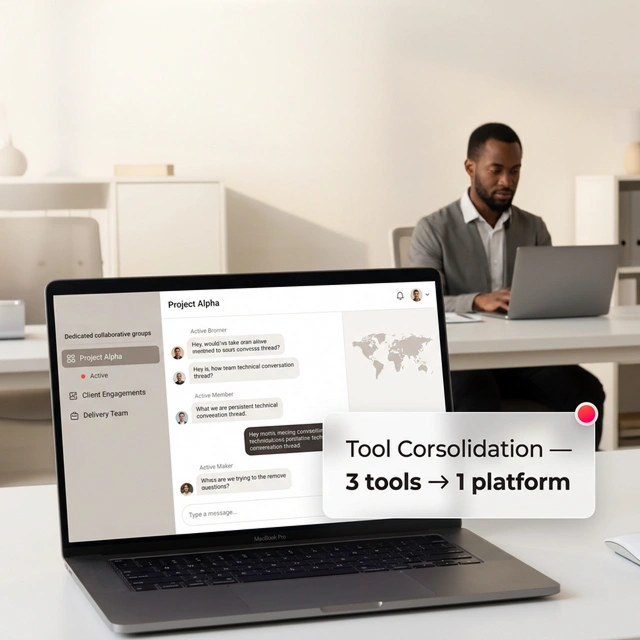
The workspace is created at close and the commitments made during the sales cycle are recorded, so implementation begins from what the customer was actually told.
Melp capability: Cross-organization workspaces with structured topics
Onboarding
The plan, milestones and configuration decisions live in the workspace with the customer's project team present, not in an internal tool they cannot see.
Melp capability: Shared Drive folders and Melp Suite documents
Escalation
Escalations open as their own topic with the right people from both organizations, and the resolution call leaves a dated summary of what was agreed and by whom.
Melp capability: Dedicated escalation topics and AI call summaries
Review and renewal
Each review draws on the workspace's own history, so the renewal conversation is grounded in a record of what was promised, delivered and outstanding.
Melp capability: Searchable account history and dated review summaries
Questions from customer success and support leaders
How this sits alongside a helpdesk and a CRM.
Related use cases
If the relationship is project-based or channel-based rather than post-sale, these fit better.
Give your highest-touch accounts one space that does not close
Start with the customers where an escalation would reach your executive team, and see what continuity looks like when the account has its own record.